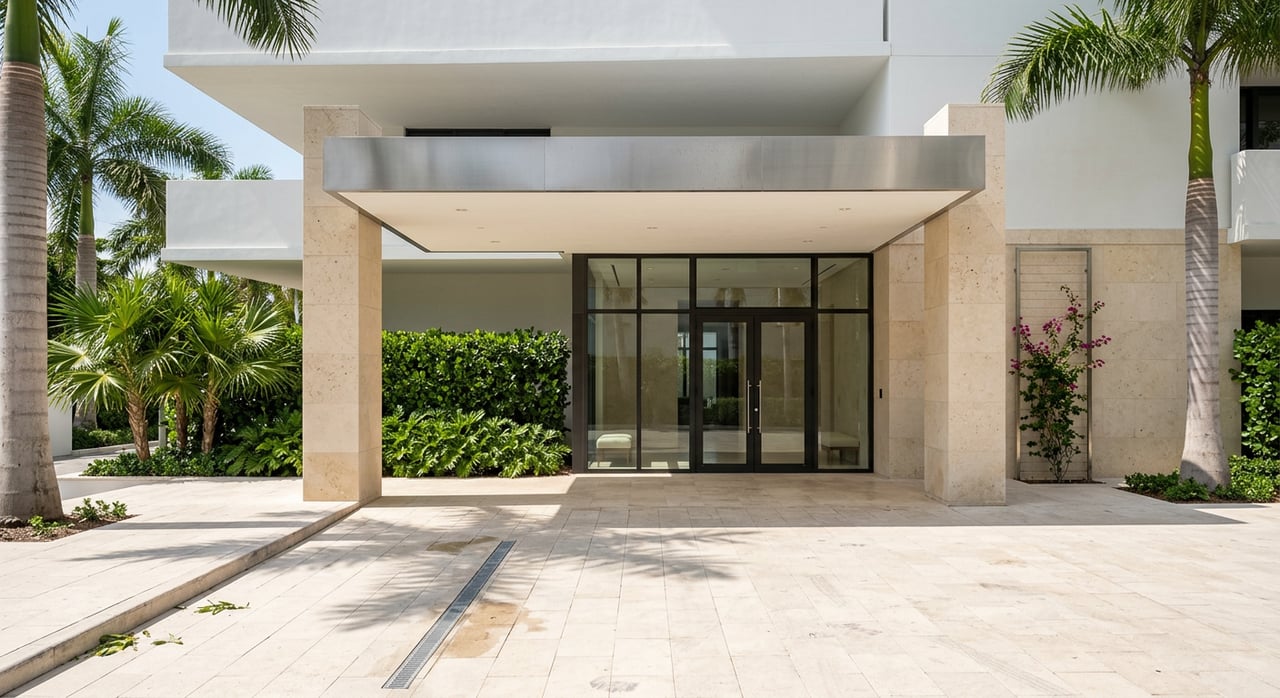
Comparing Venetian Islands Homes vs Condos in 2026
March 5, 2026
March 5, 2026
House or condo on the Venetian Islands? With Biscayne Bay on both sides, either choice gives you blue‑water views and instant access to Miami Beach and Downtown. The real question is how you want to live day to day. In this guide, you’ll compare lifestyle, boating, maintenance, flood and insurance realities, short‑term rental rules, and financing so you can choose with confidence. Let’s dive in.
As of Jan 2026, neighborhood market overviews report median listing prices in the Venetian Islands in the roughly $1.6 million to $1.8 million range, with many listings clustering around $1,000 to $1,200 per square foot. These medians mask a very wide spread, from sub‑$1 million condo resales to trophy waterfront estates trading well into the eight figures. For context at the top of the market, a San Marino Island waterfront home sold for $46 million in 2025, underscoring the ultra‑luxury ceiling for single‑family waterfront lots per reporting in the Wall Street Journal. Month‑to‑month figures and days on market have been volatile the past two years, so always pair this snapshot with current MLS data when you are ready to write an offer.
The Venetian Islands are a chain of man‑made islands in Biscayne Bay connected by the historic Venetian Causeway. From west to east: Biscayne Island, San Marco, San Marino, Di Lido, Rivo Alto, and Belle Isle. Part of the chain sits in the City of Miami and part in the City of Miami Beach. If you want a quick primer on the geography, start with the Venetian Islands overview.
This built pattern sets up the core choice: quiet, private waterfront living versus amenity‑rich, lock‑and‑leave convenience.
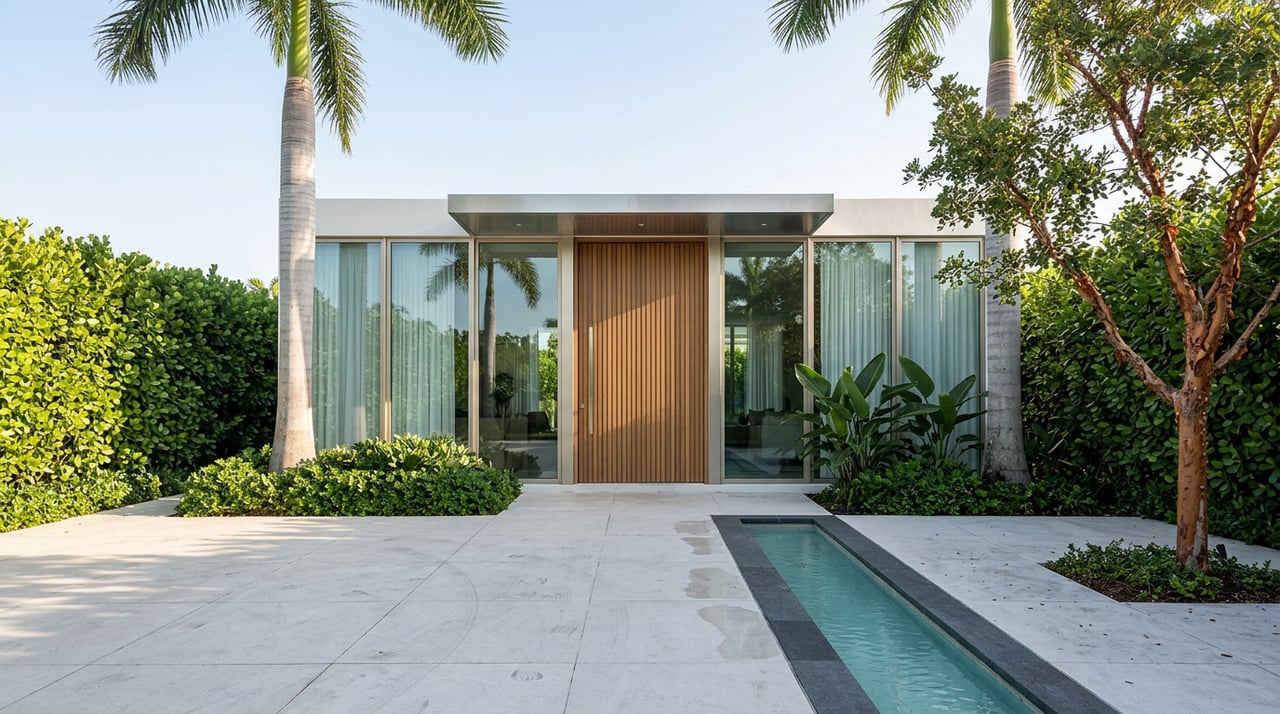
If you want maximum privacy and outdoor space, single‑family on San Marino, Di Lido, or Rivo Alto usually fits best. You can design your own outdoor areas, add a pool, and enjoy direct water access from a private dock, subject to local permitting. Street life here tends to be quiet, with one household controlling each property.
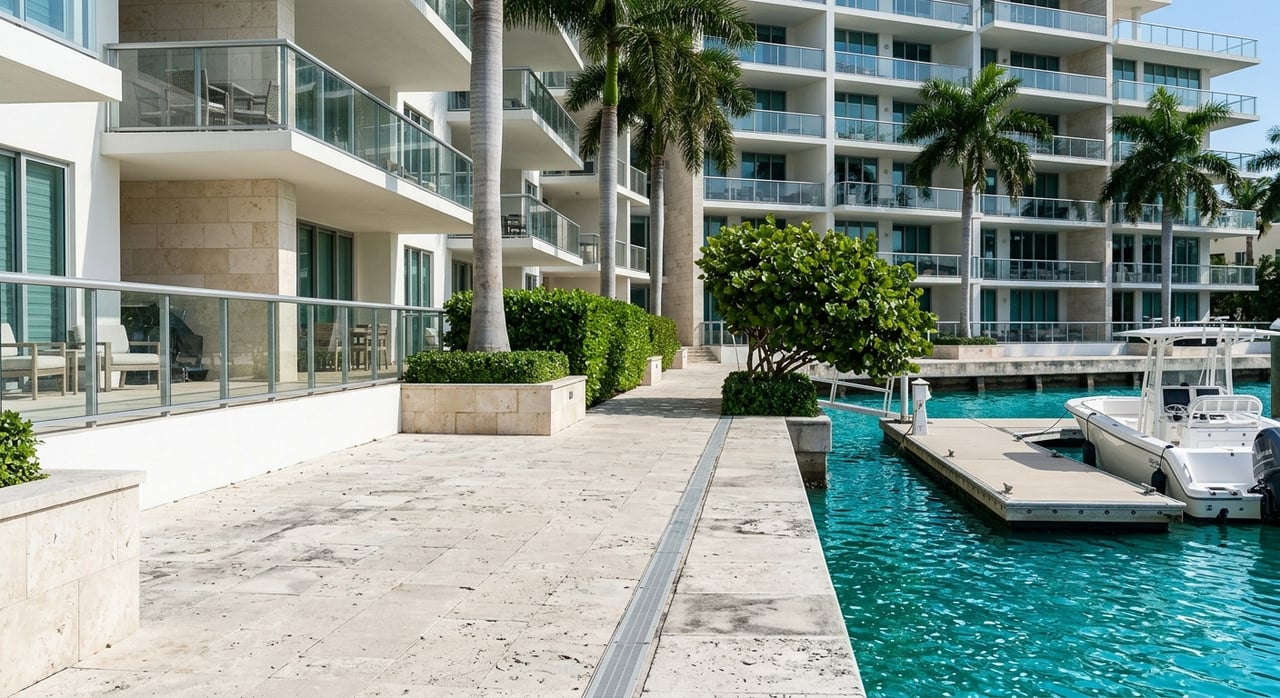
If you prefer to trade yard work for facilities and service, condominiums on Belle Isle or Biscayne Island offer full amenity packages. Expect staffed entries, fitness centers, pools, and building management that handles exterior upkeep. If you travel often or want a low‑maintenance second home, condo living can feel effortless. Your private outdoor space is your balcony, and common areas are professionally maintained.
Every property has carrying costs. The difference is who handles what and how variable those costs feel.
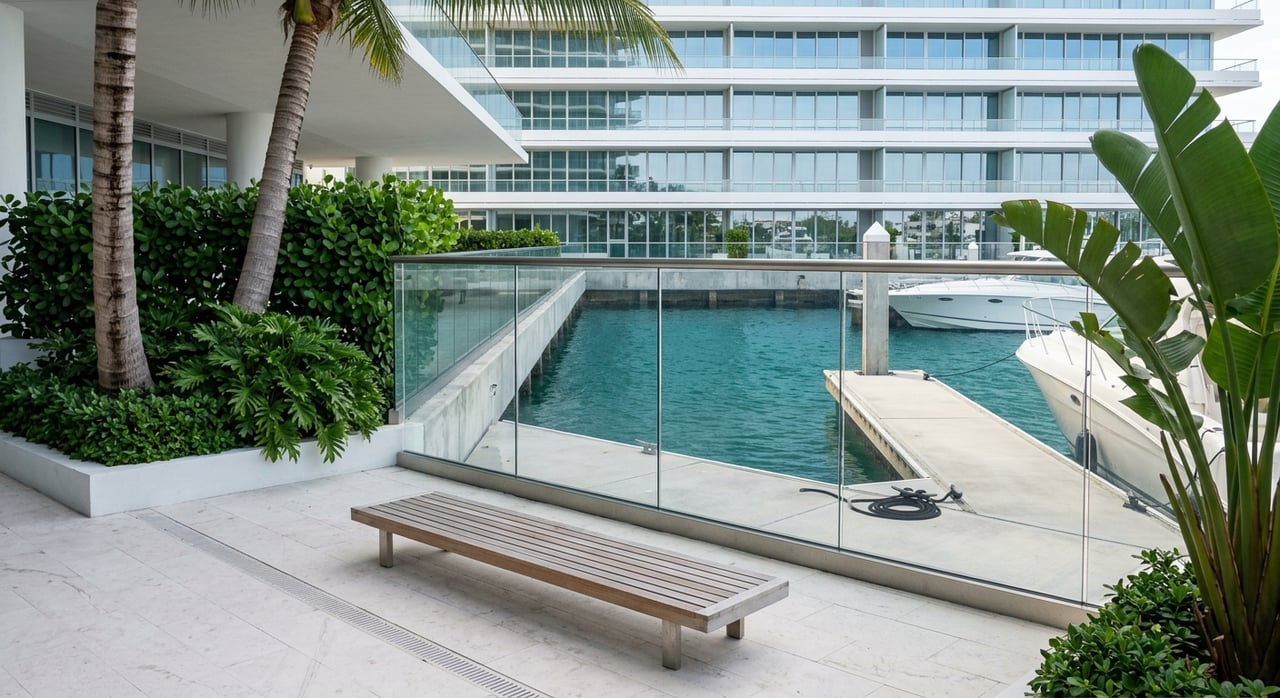
For many Venetian Islands buyers, boating is a top priority.
For both property types, dock projects and slip configurations are shaped by Miami‑Dade’s permitting and environmental standards. Review the county’s dock and seawall code references to understand how D‑5 boundaries and seagrass protection may affect your boat size and placement.
The Venetian Islands are low‑lying and sit directly on Biscayne Bay. Many parcels fall within FEMA AE or VE flood zones, and flood insurance is often required by lenders. Start your risk view with the FEMA Flood Map Service Center and NOAA’s Sea Level Rise Viewer for clear, map‑based context on current flood zones and future scenarios. Municipal adaptation has been active in the area in recent years, including pumps, seawall upgrades, and selective street‑raising projects. Use those as context, then evaluate each property at the parcel level.
Insurance markets in Florida have been dynamic. Premiums and coverage options can change year to year, especially along the coast. It is smart to get homeowner and flood quotes early in your search and to review a building’s or home’s insurance history. For broader context on market shifts, see recent local reporting on Florida insurance trends, such as this CBS Miami overview of insurer actions and reforms. Do not assume premiums will remain constant at renewal.
Short‑term rental potential depends on the municipality and the building or HOA.
Bottom line: verify municipal zoning, county rules if applicable, and condo or HOA governing documents before you assume any rental income.
Miami‑Dade has a mandatory building recertification program that requires structural and electrical inspections as buildings age, with earlier triggers for coastal properties. Recertification can lead to required repairs and associated assessments, which affect reserves, monthly fees, and financing. Always ask for the building’s recertification status, recent engineering reports, reserve study, and any special assessments. For a clear explainer of the county’s recertification framework, review the Town of Surfside’s overview of the 40‑year recertification program.
Lenders typically apply more stringent underwriting to condo loans than to single‑family homes. Buildings with low reserves, large assessments, or unresolved recertification items can be harder to finance. Discuss a target building with your mortgage advisor early to avoid surprises.
Give yourself a point for each statement that feels true. Tally at the end.
If you scored 4–5 here, a single‑family home likely suits you.
Now consider these:
If you scored 4–5 here, a condominium likely fits you.
If you are split, focus on your top two drivers. For many Venetian Islands buyers, those are usually boating convenience and maintenance tolerance.
Use this checklist as you compare a specific house or condo. Save links and documents in a single folder.
You cannot go wrong living on the Venetian Islands. The causeway setting, quick access to Sunset Harbour and South Beach, and calm bay views create a lifestyle that feels both central and serene. Your best fit comes down to a few personal drivers: privacy, boating, maintenance tolerance, and rental intent. If you want a private dock, full control of your outdoor space, and you are comfortable overseeing vendors, a single‑family home likely wins. If you want concierge service, strong amenities, and a low‑maintenance lock‑and‑leave setup, a well‑run condominium may be the better move.
When you are ready to explore specific options on Belle Isle, Rivo Alto, San Marino, Di Lido, or Biscayne Island, work with a local advisor who knows how these details play out by parcel and by building. For discreet, bilingual representation and deep island expertise, schedule a Private Consultation with Laura Castillo. Hablamos español.
Stay up to date on the latest real estate trends.

Experience a real estate partnership built on trust, expertise, and genuine care. Laura brings a lifelong understanding of what “home” truly means to every client and every decision.