
Guide for the International Buyer on Fisher Island Homes
February 19, 2026
February 19, 2026
Picture arriving by ferry or yacht to a quiet, private island just off Miami Beach, where daily life feels like a resort and every detail is designed for ease. If you live outside the United States, the idea of owning on Fisher Island can feel both exciting and complex. You want clarity on access, financing, taxes, insurance, approvals, and how the process works on a private island. This guide gives you a clear, step-by-step view tailored to international buyers so you can move with confidence. Let’s dive in.
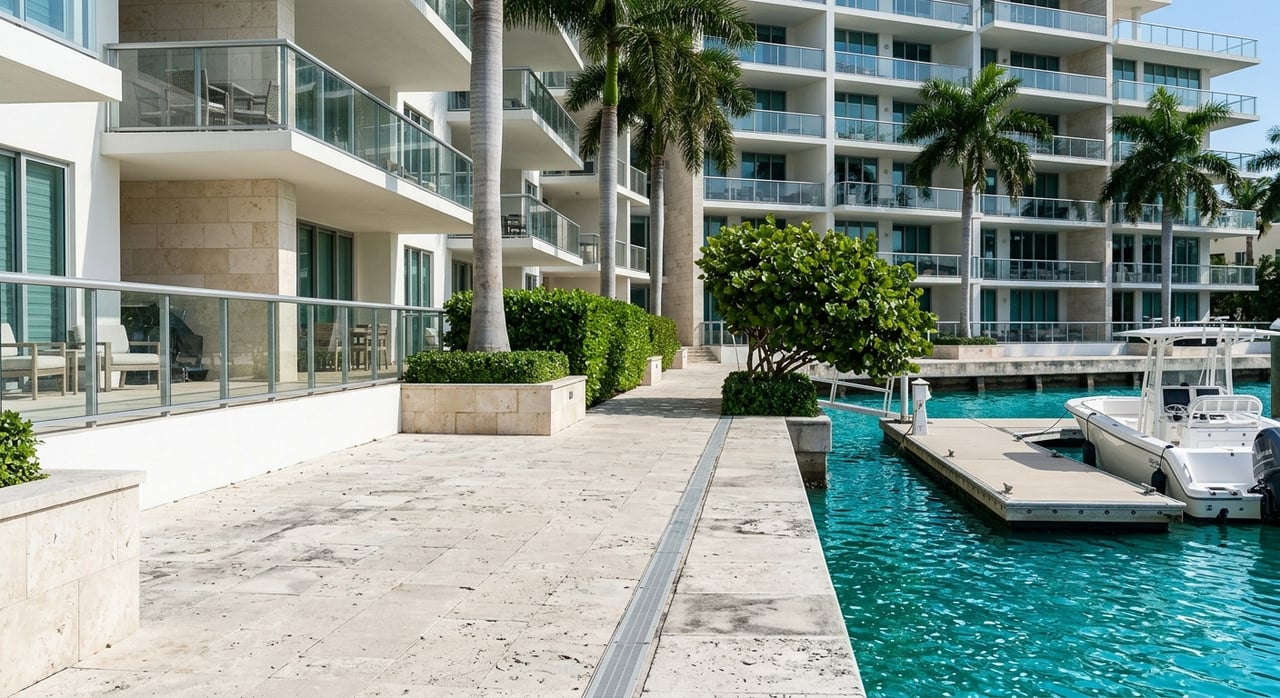
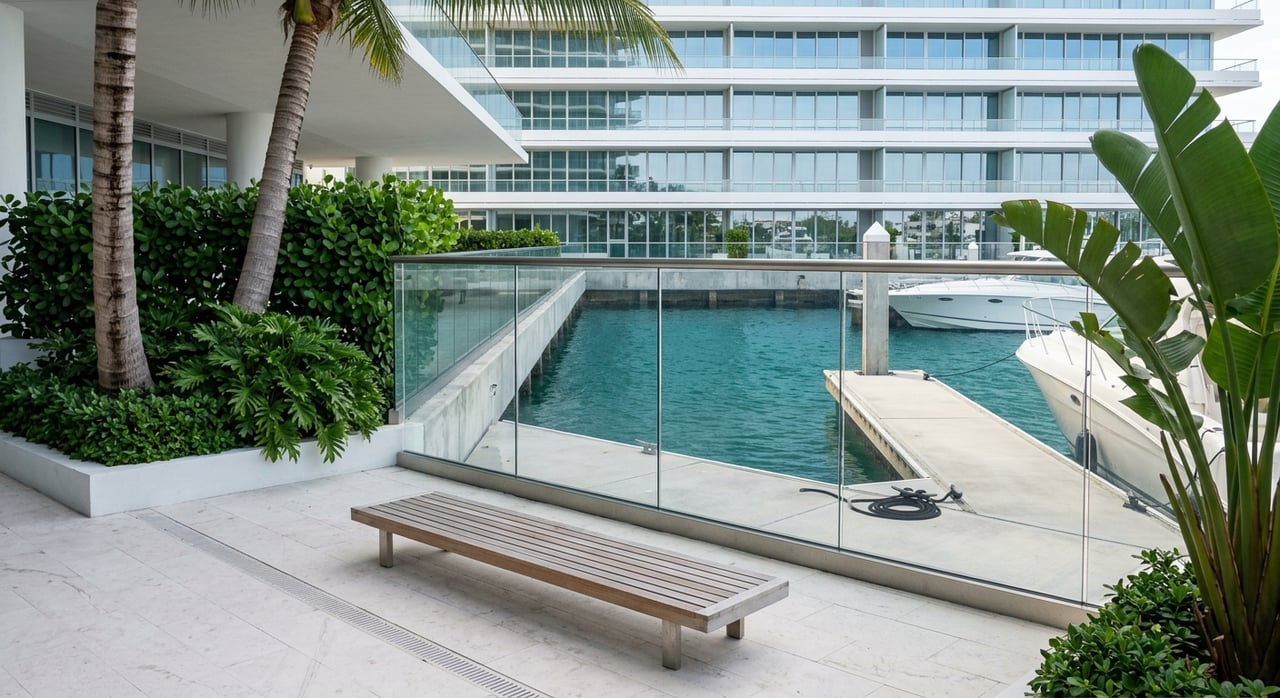
Fisher Island is a private, membership-based community of about 216 acres just south of Miami Beach. Access is controlled and typically by private yacht, helicopter, or the island’s ferries, and the community’s services center around the Fisher Island Club’s amenities and security. You can review the island’s lifestyle, access details, and club context on the official site for the Fisher Island Club.
From a market perspective, the 33109 ZIP that covers Fisher Island ranks among the nation’s most expensive, with sales often in the multi-million range. Local reporting has highlighted the island’s status as one of the priciest ZIP codes in the U.S., a helpful reminder to use up-to-the-minute building comps when you evaluate an opportunity. For overall price context and recent coverage, see the Miami New Times report on 33109’s ranking.
Most Fisher Island residences are luxury condominiums with full-service amenities. Some properties present as single-family-style or fee-simple homes, but condominiums remain the dominant form. Always confirm the legal structure for any specific listing because it affects financing, insurance, and resale.
Daily living on the island integrates with the Fisher Island Club. Confirm which membership rights, if any, transfer with a sale, and what separate fees or equity deposits apply. Access logistics, guest authorizations, and services are connected to the club’s operations, so review the relevant membership materials with your agent and confirm current rules through the Fisher Island Club.
Condominium associations on the island may require application packages, background checks, and board approvals. Building-level facts such as reserves, litigation, and rental rules can also influence financing options. Lenders assess condo projects for “warrantability” under Fannie Mae and Freddie Mac criteria. You can learn how lenders evaluate projects in Freddie Mac’s Condo Project Advisor overview.
U.S. lenders serving nonresident buyers typically ask for larger down payments, clear documentation of the source of funds, and strong reserves. If you do not have a U.S. credit history, alternative credit proof may be required. Rates and terms can differ from those available to U.S. citizens, and many buyers use portfolio or private bank loans, or pay cash. For a practical overview of foreign-national lending expectations, review this guidance on non-U.S. citizen financing.
Luxury and boutique condos can be “non-warrantable” because of developer control, rental mix, reserves, or litigation. That status reduces access to conforming loans and often points buyers toward portfolio or jumbo financing, or all-cash. Ask your agent and lender to check project eligibility early using tools and questionnaires described in Freddie Mac’s condo project eligibility guidance.
In ultra-luxury segments, cash purchases are common because they offer speed and privacy and avoid constraints tied to building eligibility. If you plan to finance, begin underwriting early and ensure your lender is comfortable with foreign-national files and the specific building profile.
Florida charges documentary stamp tax on deeds and on mortgages, plus a nonrecurring intangible tax on mortgages. Miami-Dade has special deed tax rules and a surtax that can apply to certain transfers. Title companies compute these items at closing, so ask for a detailed estimate as soon as you go under contract. For current rules, see the Florida Department of Revenue’s page on documentary stamp tax.
If you buy U.S. real property from a foreign seller, the FIRPTA rules generally require you, as the buyer, to withhold a percentage of the sale proceeds and submit it to the IRS. There are specific exceptions and potential reduced-withholding certificates, and the seller later reconciles actual tax due by filing a U.S. return. Plan these mechanics early in the contract stage. For authoritative details, review the IRS guidance on FIRPTA withholding and procedures.
Florida property taxes depend on local millage rates. The homestead exemption and Save-Our-Homes cap require qualifying Florida residency, so most international buyers should budget without those benefits. The Miami-Dade Property Appraiser provides parcel-level data and exemption information at the county’s official site.
Insurance is a major line item for coastal properties, especially for wind and hurricane coverage. Market conditions evolve, and state-level reforms can affect rates and availability. Budget for hurricane deductibles and, where applicable, flood insurance. For a sense of the current regulatory context in Florida, see the Office of Insurance Regulation’s recent market updates.
Confirm the property’s FEMA flood zone and request an elevation certificate when available. Lenders and most private flood insurers rely on FEMA mapping for underwriting. Coastal VE zones often carry higher premiums and stricter elevation standards. You can learn how to locate your FEMA panel and request a FIRMette through this guide on checking your flood zone.
Insurers may offer credits for mitigation features such as impact-rated windows, roof tie-downs, and upgraded doors. Ask your inspection team and insurance broker to flag any improvements that could reduce premiums or help with lender requirements.
Because Fisher Island is closed to the general public, showings require more lead time than a mainland appointment. Expect coordinated ferry passes or alternative arrival arrangements, plus adherence to club and security protocols. Work with your agent to confirm guest procedures through the Fisher Island Club and the listing brokerage well in advance.
Ultra-luxury transactions often emphasize privacy. Proof of funds, limited-distribution marketing, and non-disclosure steps are common. If you prefer bilingual communications or require discreet logistics, align on these needs with your agent and counsel before you request showings or submit offers.
In Miami-Dade, most residential deals use the standard Florida FAR/BAR contract forms. Financed purchases often close within 30 to 45 days, while cash purchases can be faster. Plan extra time for association or club approvals since these can add days or weeks depending on documentation and board schedules.
Fisher Island offers a rare mix of privacy, resort-caliber amenities, and proximity to Miami’s culture and business hubs. For international buyers, the path to ownership is straightforward when you plan for financing criteria, association approvals, insurance realities, and cross-border tax considerations early. With the right team and a clear checklist, you can focus on selecting the residence and lifestyle that fit you best.
If you would like a discreet, bilingual advisor to guide you through each step on Fisher Island, connect with Laura Castillo. Schedule a Private Consultation.
Stay up to date on the latest real estate trends.




Experience a real estate partnership built on trust, expertise, and genuine care. Laura brings a lifelong understanding of what “home” truly means to every client and every decision.