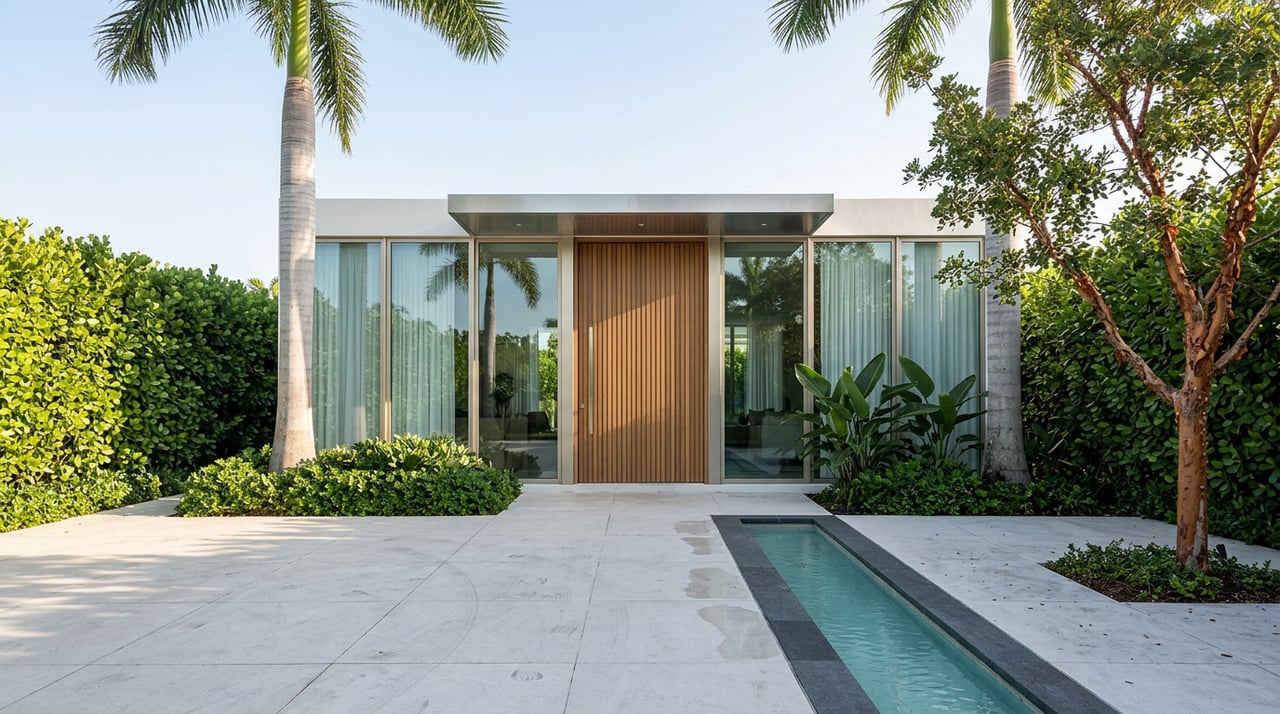
Selling Your Home on Star, Palm and Hibiscus Islands
March 24, 2026
March 24, 2026
Is your Star, Palm, or Hibiscus Island estate ready for the spotlight, but you want to protect your privacy and price? You are not alone. These islands are small, guarded, and home to some of Miami Beach’s most high‑profile properties, so every decision about exposure and timing matters. In this guide, you’ll learn how to price in a thin ultra‑luxury market, choose the right exposure strategy, prepare best‑in‑class media, and manage confidentiality from first inquiry to closing. Let’s dive in.
Star, Palm, and Hibiscus are man‑made islands in Biscayne Bay, part of the City of Miami Beach, and known for privacy, guard‑gated access, and waterfront living. Most homes offer docks, generous outdoor spaces, and a discreet lifestyle. The micro‑location and setup are unique, which is why a one‑size‑fits‑all plan rarely works. Learn more about the islands’ Miami Beach context from the city’s resources on island amenities and parks.
Sales at this level are low‑frequency, so a single trophy closing can swing the data. Elliman’s Miami Beach barrier‑islands reports show large quarter‑to‑quarter shifts in price and days on market, which is a sign that individual sales dominate the averages. Treat “the market” here as a set of one‑off events rather than a smooth trend line. See the variability in Elliman’s Miami Beach barrier‑islands report.
MIAMI REALTORS® notes that the single‑family luxury threshold in Miami‑Dade rose to about $3.3 million in 2024, with ultra‑luxury at $10 million and above. Buyers at these price points often purchase with cash, and they compare properties across several top coastal micro‑markets. Your strategy must speak to that small, mobile pool of qualified buyers. Review the MIAMI REALTORS® luxury threshold update.
With few direct comparables, the smart approach is a tight pricing band, not a single rigid figure. Anchor to recent island sales first, then consider nearby ultra‑luxury benchmarks where relevant. Your band should reflect key value drivers like dock length and access, elevation and seawall condition, guest quarters, and privacy. This gives your advisor room to present the narrative clearly to high‑net‑worth networks.
A brief, controlled pre‑market window can test pricing among vetted, qualified buyers without flooding public channels. Keep it short, usually 1 to 3 weeks, with clear pivot rules. If you do not receive an acceptable offer, move to a full public launch and increase buyer competition.
If the buyer finances, appraisers will scrutinize recent island comps and may be cautious with off‑market data. Your broker should prepare a valuation packet with comps, feature matrices, and supporting evidence to reduce the risk of last‑minute appraisal surprises.
You control how widely your property is shared, but today’s rules and portals matter. Clear Cooperation policy requires that once a property is publicly marketed, it must be entered in the MLS within a short period, often one business day. Review the policy overview from a local board perspective: Clear Cooperation explanation.
At the same time, major portals introduced listing display standards that can restrict or remove properties that are publicly teased without timely MLS/IDX availability. A single teaser post can trigger enforcement. Learn about the evolving portal landscape in this industry explainer on pocket listings and display standards.
Your listing stays inside one brokerage’s network. This protects privacy and limits access to vetted agents and buyers. You accept a smaller buyer pool in exchange for discretion. It requires written seller consent under the MLS rules.
Your advisor files the listing with MLS but delays public syndication for a short, defined window. This keeps agent cooperation while allowing a private broker‑to‑broker preview. You need written informed consent and strict timing control to remain compliant.
When your top priority is maximum price through competition, broad exposure on MLS and major portals is the best route. Industry analyses show that off‑market deals can reduce buyer reach and limit competing offers. Read more perspectives on price effects in this pocket listing analysis.
Use a two‑tier media plan. Public materials should showcase exterior lifestyle and a curated interior set without revealing home numbers, unique artwork, or sensitive angles. Place full-resolution photography, floor plans, and the most detailed video inside a secure data room. Require proof of funds and an NDA before granting access.
Ahead of any showing, require written buyer representation, proof of funds or lender pre‑approval, and signed NDA. Track who accessed the gated media and when. This protects your privacy and strengthens your position if multiple vetted parties engage.
Aerials are essential on the islands, but they must be captured by an FAA Part 107 certified pilot using Remote ID compliant equipment. Confirm the pilot’s certification and insurance, and coordinate around any local restrictions near causeways or port activity. Review FAA guidance on becoming a commercial drone pilot.
At this level, the minimum standard is editorial‑quality photography, golden‑hour exteriors, drone and cinematic video, floor plans, and a feature matrix that speaks to a discerning global audience. High‑quality production is what allows qualified remote buyers to commit to a visit. See best practices for real estate media in this industry photography primer.
Florida deeds and recorded instruments are public. Even if you sell off‑market, the conveyance will appear in county records. Many owners use an LLC or trust for added discretion, but you should plan this with counsel early. Explore the Miami‑Dade Property Appraiser’s public resources here: Miami‑Dade Property Appraiser overview.
Private docks, boat lifts, bulkheads, and seawall repairs require permits, and the county and City of Miami Beach regulate them closely. Verify permitted dock length, boat‑lift rights, and recent seawall work during due diligence. Unresolved permit issues can impact value or timing.
If you are a non‑U.S. seller, FIRPTA rules may require the buyer or another withholding agent to withhold and remit funds to the IRS, unless a reduced withholding certificate is approved. Engage tax counsel early to plan the process and documentation. Learn more from the IRS summary of FIRPTA withholding procedures.
Your property deserves boutique attention and institutional reach. With deep Miami Beach island expertise, polished digital presentation, and bilingual service in English and Spanish, you can market with discretion while reaching the right global buyers. The goal is simple: protect your privacy, surface qualified competition, and close with confidence.
Ready to talk strategy tailored to your home on Star, Palm, or Hibiscus Island? Schedule a Private Consultation with Laura Castillo.
Stay up to date on the latest real estate trends.



Experience a real estate partnership built on trust, expertise, and genuine care. Laura brings a lifelong understanding of what “home” truly means to every client and every decision.